
Edenred OPD Care Platform
Build A Connected Care Ecosystem That Improves Workforce Health
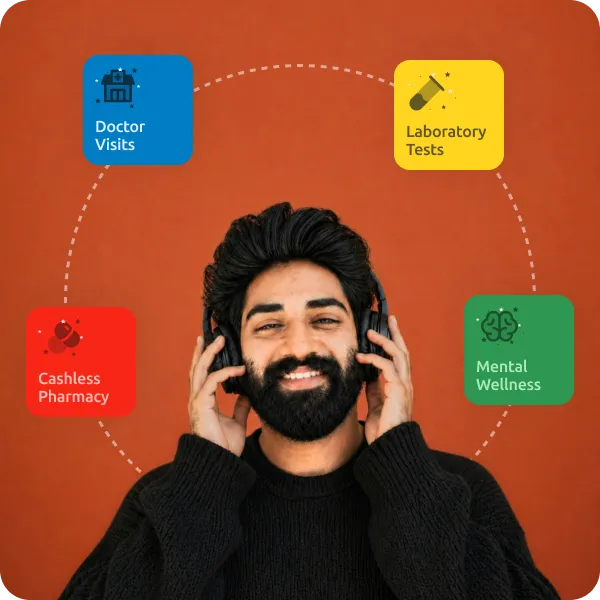
Edenred OPD connects screening to everyday care across India's largest non-hospitalization network. By enabling employees to act on health risks through consultations, diagnostics, pharmacy, mental wellness, and more.
Talk to Sales













OPD Care Platform
OPD Care Platform
OPD Care Platform
OPD Care Platform
OPD Care Platform
Market-Leading Network
India’s Largest Integrated Non-Hospitalization Network
With access across 650+ cities and thousands of healthcare providers, Edenred OPD helps enterprises deliver consistent, high-quality care access at true workforce scale.

Premium Experience
Drive Adoption With A Premium, Mobile-First Journey
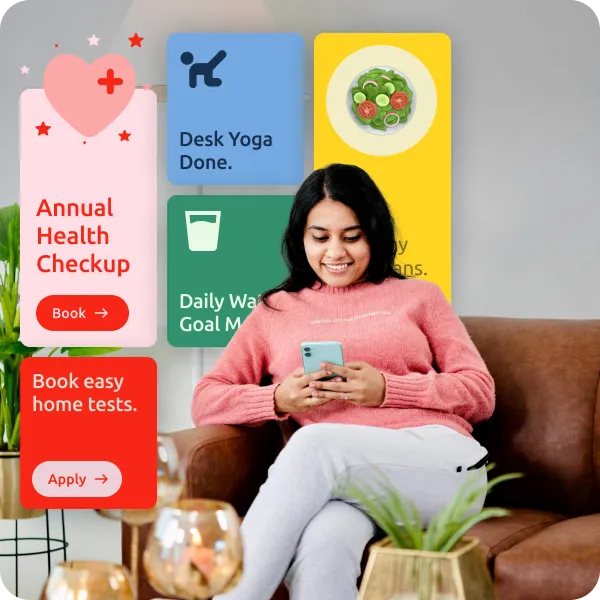
App-based scheduling, home collection and delivery, weekend slots, desk yoga, virtual workouts and more - all designed to remove friction and drive high adoption.
Preventive Ecosystem
Create A Continuous Care Journey From Screening To Action
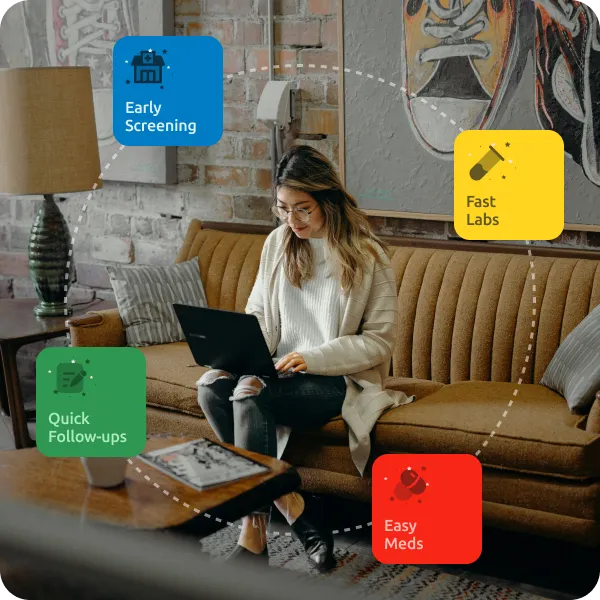
AHC identifies health risks. OPD enables continuous action. Together, they form a preventive ecosystem where screening insights lead to timely consultations, diagnostics, medicines, and follow-ups - preventing escalation into hospitalizations.
Tailored Design
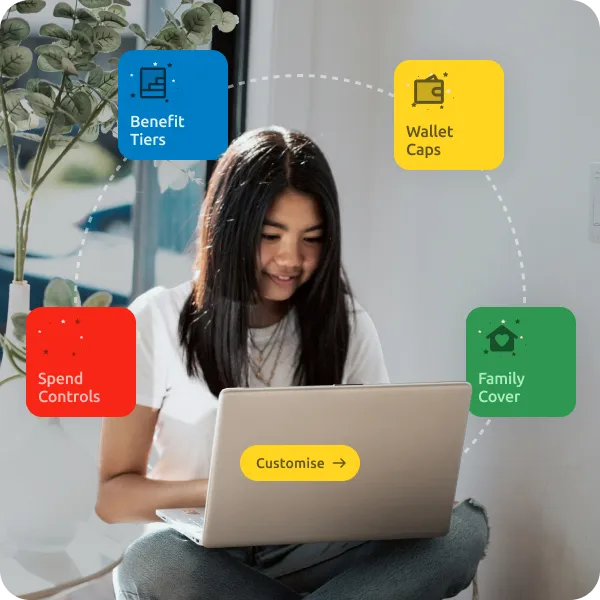
Infinitely Customized Plans That Fits Your Workforce
Tailor plans by benefit type, sub-limit, age, grade, gender, family coverage, and billing model - so your OPD strategy fits your people and your financial priorities.
Strategic Intelligence
Turn Health Data Into Predictable Workforce Outcomes
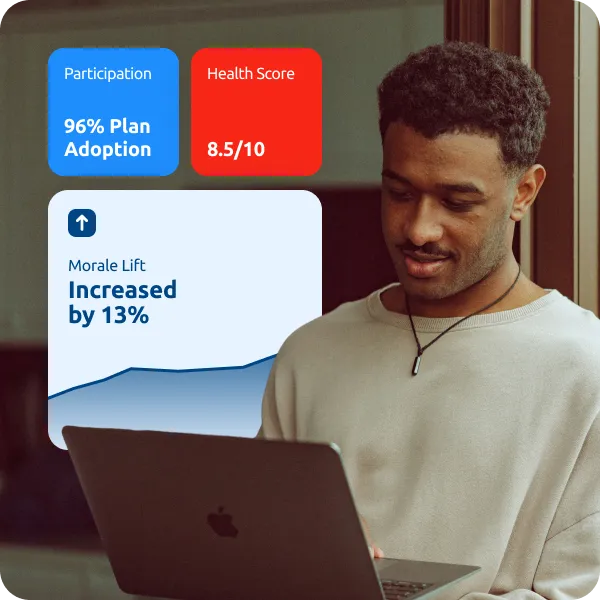
Health insights reveal utilization patterns, risk distribution, health trends, and emerging signals - empowering HR to predict health risks before they escalate, optimize programs proactively, and prove strategic wellness impact.
Business Impact
The Business Impact of Continuous Connected Care
When prevention and everyday care work together, organizations build healthier, more resilient workforces - with fewer sick days, reduced hospitalizations, and stabilized healthcare costs.
Give employees frictionless access to preventive care so health issues get addressed early - before they become absenteeism, burnout, or team disruption. Fewer sick days. Stronger performance. Measurable impact.
Enables early intervention through consultations, diagnostics, and follow-ups - so manageable conditions don't escalate into costly hospitalizations .
Build a sustainable strategies by improving workforce health at the source - reducing avoidable claims and stabilizing long-term costs instead of reacting to renewals.
Edenred OPD achieves 50–85% turning healthcare benefits into real health improvement and measurable ROI.





Integrations? We’re glad you asked.
Seamlessly connect with your HRMS and communications softwares. Customised to your specific use cases.
Talk to Sales


& more
Why choose Edenred?
At Edenred India, we blend innovation, trust, and impact to help organizations unlock value, one reward, one recognition, and one employee at a time
What is OPD coverage for employees?
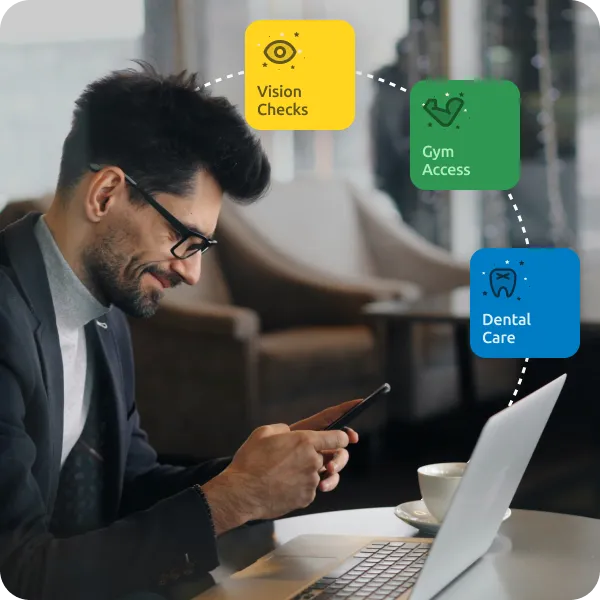
Edenred OPD addresses this gap by offering cashless access to India's largest integrated non-hospitalization network spanning 650+ cities, including 8,000+ doctors available for 24x7 teleconsultation, 35,000+ in-clinic doctors across all major specializations, 8,000+ diagnostic collection centres with home collection available across 10,000+ pin codes, 35,000+ pharmacy network with medicine delivery across 30,000+ pin codes, round-the-clock support from 25,000+ mental health counselors (both online and offline), 2,500+ dental clinics providing complete dental care, 300+ vision centers covering 19,000+ pin codes, prescribed physiotherapy services, vaccination coverage across 1,200+ pin codes, 5,500+ gyms across 40+ cities, and daily wellness TV sessions on physical wellness, mental wellness, and meditation.
What is the difference between OPD and health insurance in India?
What services are typically included in corporate OPD benefits in India?
Comprehensive corporate OPD programs in India should cover the essential everyday healthcare needs that employees and their families require regularly. Core services include doctor consultations (both 24x7 teleconsultation and in-clinic visits across specializations), diagnostic tests and health screenings with convenient home collection options, prescription medicines with delivery to employees' doorsteps, mental wellness counseling for stress and emotional health support, dental care for routine checkups and treatments, vision care including eye exams, physiotherapy for pain management and injury recovery, vaccinations for adults and children, and gym memberships to support physical fitness and preventive health. The breadth of coverage matters because limited OPD programs that only offer basic consultations and medicines fail to address the holistic health needs of modern Indian workforces. Edenred OPD provides India's largest integrated non-hospitalization network spanning 650+ cities, covering teleconsultation, in-clinic doctors, diagnostics with home collection, pharmacy with delivery, mental health counselors, dental clinics, vision centers, physiotherapy, vaccinations, and gym access - ensuring employees across metros to tier-2 and tier-3 cities can access comprehensive care when they need it.
Benefits of Employee OPD Coverage
Employee Benefits
Organizational Benefits
Long-Term Cost Benefits
Can OPD benefits be customized for different employee groups in Indian companies?
Yes, modern OPD programs must be flexible enough to accommodate the diverse needs of different workforce segments in Indian organizations. Customization is essential for creating programs that deliver real value while managing costs effectively, especially since Indian corporates are currently spending approximately ₹8,300 ($100) per employee on OPD benefits per year. Organizations should be able to customize across multiple dimensions: selecting which specific benefits to include from the comprehensive menu (teleconsultation, diagnostics, pharmacy, mental health, dental, vision, physiotherapy, gym, vaccinations), defining sub-limits for each benefit category to control costs while ensuring adequate coverage, choosing family coverage options such as employee-only, employee plus spouse and children (ESC), or employee plus spouse, children, and two parents (ESC2P), tailoring benefits based on employee demographics like age, gender, and grade level, deciding sponsorship levels - whether benefits are 100% employer-sponsored or employees pay a portion, selecting between cashless access or reimbursement modes, and choosing billing models such as wallet-based with fixed annual amounts or usage-based monthly billing where employers pay only for services actually used.
Edenred OPD offers "infinitely customizable OPD benefits" that allow employers to build programs precisely aligned with their workforce needs and budget priorities, ensuring maximum value and utilization rather than one-size-fits-all solutions.
How does OPD integrate with annual health checkups for Indian employees?
The integration between Annual Health Checkups (AHC) and OPD creates a powerful preventive health ecosystem that addresses a critical gap in corporate wellness programs across India. Annual health checkups serve an essential purpose - they identify health risks early through comprehensive screening of parameters like blood sugar, cholesterol, blood pressure, liver and kidney function, thyroid levels, and other biomarkers. However, a common problem occurs after these screenings: employees receive reports identifying risks like pre-diabetes, high cholesterol, vitamin deficiencies, or elevated stress markers, but then struggle to act on those insights. Industry data shows that only 32-38% of employees complete annual health checks even when fully funded, and among those who do, many fail to follow up on identified risks due to cost barriers, inconvenience, or lack of accessible care options. Without easy access to follow-up care, these reports become static documents while the identified health risks continue to worsen. This is where OPD becomes transformational. When OPD is integrated with AHC, screening insights immediately translate into actionable care - employees can consult with doctors, get prescribed diagnostic tests, receive medicines, and access ongoing consultations and follow-up care to manage conditions before they progress.
Edenred recognizes that "AHC identifies risk. OPD acts on it. Together, they form a preventive ecosystem" - creating a closed-loop system where screening leads to intervention, not static reports gathering dust.
What is a good utilization rate for corporate OPD programs in India?
Utilization rate is one of the most critical success metrics for OPD programs in India because it directly indicates whether employees are actually using the benefits and whether the program is delivering real health outcomes versus just providing theoretical access. Industry data from the Indian market shows that traditional wellness programs typically achieve only 32-38% employee engagement, and only 32-38% of employees complete annual health checks even when fully funded. This means the majority of employees either don't know about the benefits, find them too inconvenient to use, or face barriers that prevent them from taking action - representing a significant waste of organizational investment. High-performing OPD programs, by contrast, achieve 50-85% utilization benchmarks through intentional design that removes friction and makes care genuinely accessible across India's diverse geography.
Several factors drive higher utilization: 24x7 teleconsultation that allows employees to seek care anytime without taking time off work, app-based scheduling that makes booking appointments effortless through mobile devices, home collection for diagnostic tests so employees don't need to visit labs, medicine delivery that brings prescriptions directly to doorsteps, weekend appointment slots, onsite health drives, real-time appointment confirmations, and cashless access that eliminates upfront payment burden (particularly important given that 63% of India's hospital expenses are out-of-pocket).
Edenred OPD consistently delivers 50-85% utilization benchmarks and achieves 7-8X higher engagement than traditional Employee Assistance Programs through convenience-led design including mobile app access, home services, robust APIs, and daily wellness sessions.
How does OPD help control rising corporate healthcare costs in India?
Corporate healthcare costs in India are rising at an alarming rate - medical inflation runs at approximately 15% annually compared to just 4-6% for general retail inflation. This creates an unsustainable trajectory where healthcare expenses consume an increasingly large portion of total compensation costs, forcing HR teams into difficult decisions about coverage reductions, higher employee contributions, or switching to lower-quality insurance providers. However, these reactive cost-management strategies don't address the root cause: declining employee health that drives higher claims and more expensive medical interventions. The situation is particularly acute in India where 63% of hospital expenses are still paid out-of-pocket. OPD offers a fundamentally different approach by improving underlying employee health rather than simply managing insurance renewals. When employees have easy access to preventive care, they address health issues at early stages when treatment is simpler, less expensive, and more effective. A consultation and medication for high blood pressure costs far less than treating a heart attack; managing pre-diabetes prevents the enormous long-term costs of full diabetes and its complications; addressing mental health concerns early prevents burnout-related extended leaves. By enabling timely intervention, OPD reduces the progression of manageable conditions into expensive hospitalizations.
Edenred OPD is designed as an early-intervention, preventive health lever that allows HR to move from funding medical events to enabling timely, preventive care, resulting in slowing down of medical cost escalation. The platform helps stabilize long-term healthcare costs by preventing avoidable hospitalizations, reducing absenteeism and productivity losses, and providing HR with aggregated organizational intelligence for data-backed decisions.
Frequently Asked Questions


